From the earliest days of the Palisades fire, Traci Park was explicitly warned that the disaster would devastate low wage workers who clean homes, care for children and elders, cook food, garden yards, and keep Westside households functioning, and that many of those workers were already losing their jobs and income as evacuations spread and rebuilding stalled. On January 13, 2025, a City staffer emailed Park’s top deputies to flag the economic fallout that was already underway, writing plainly that “many in Del Rey have lost work due to gardening routes, restaurants, and domestic work which is now all gone.” The email urged immediate action to support displaced workers using emergency powers. Park’s office did not respond.
These were not abstract workers or hypothetical losses. They were families whose lives were built around Pacific Palisades and whose income vanished almost overnight.
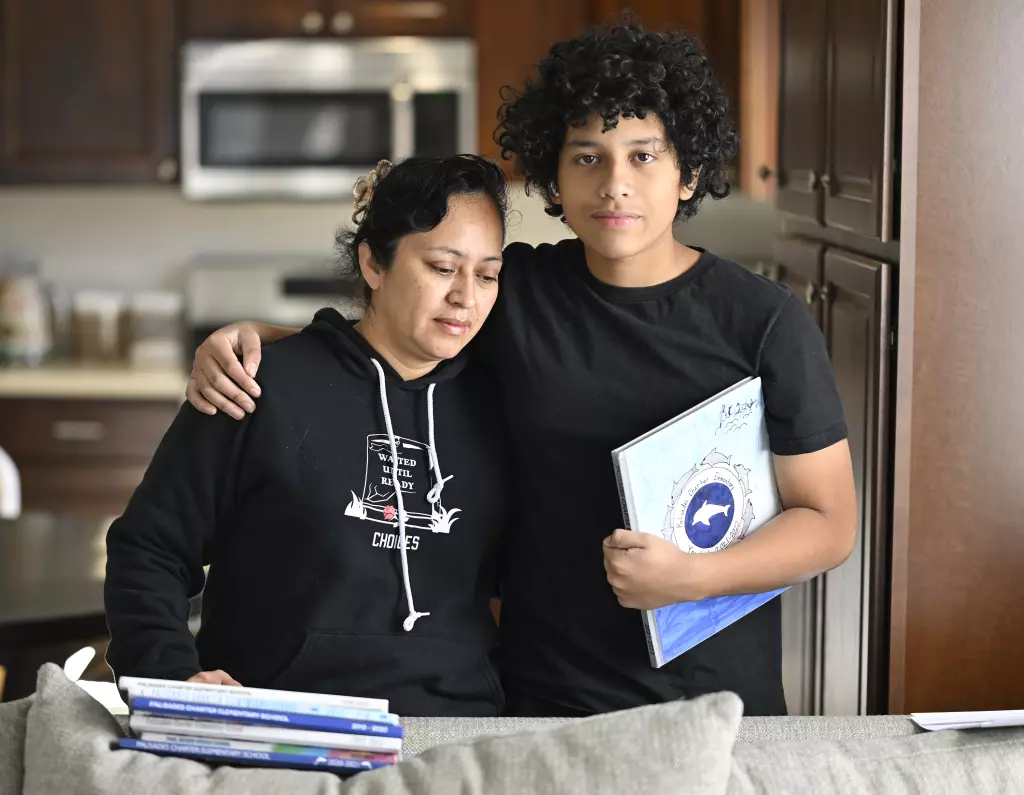
As the Los Angeles Times reported in the days after the fire, many domestic workers spent more time in Pacific Palisades than in their own neighborhoods, relying on steady jobs cleaning homes, maintaining buildings, and caring for children across the Westside. When nearly ten of the homes where one longtime housekeeping couple worked burned down, their income disappeared in a single week. Their daughter lost her job as a personal assistant. Their son’s school was heavily damaged. Their employers lost homes, and the workers who depended on those homes for survival lost everything else. “They lost their homes,” one housekeeper told the Times, “and we lost our income.”
This lived reality is exactly what UCLA researchers later quantified. At least 35,000 jobs held by Latino workers were at risk due to the January wildfires, with the Palisades fire zone standing out as one of the most extreme examples of racial and economic imbalance. Latinos made up only 7 percent of the population in the Palisades evacuation area but held 34 percent of all jobs there, meaning the people least likely to live in Pacific Palisades were the most likely to lose their income when it burned. Most of these workers could not work remotely, and many were employed in domestic, service, and construction jobs that disappeared overnight with no paid leave, no severance, and often no access to unemployment insurance.
Despite this, Traci Park consistently opposed efforts to protect the people harmed by the fire.
On February 14, 2025, the Los Angeles City Council considered an emergency proposal to prevent fire driven evictions for tenants who lost income or livelihoods due to the fires. During that debate, Councilmember Eunisses Hernandez warned that the Council had no problem fast tracking emergency relief for Pacific Palisades, yet was now balking at a single, heavily watered down motion to keep low wage workers of color housed after losing income in that same disaster.
Hernandez made clear that the proposal before the Council had already been stripped of nearly everything critics objected to. Language around eviction moratoria and rent increases had been removed entirely, leaving a narrow and temporary measure that required tenants to affirmatively defend themselves and document fire related income loss to their landlords. Anyone unable to meet that burden would receive no protection at all.
Even so, Hernandez urged the Council to stop delaying relief and vote that day, warning that continued inaction would push people directly from job loss into eviction and homelessness.
Traci Park voted no.
She voted no after the proposal had been narrowed, compromised, and reshaped to accommodate every stated concern. She voted no even though the motion applied only to tenants who could document income loss and only for a limited period, and despite clear data showing massive job loss among Latino workers and mounting evidence of eviction filings rising in the weeks after the fires.
Taken together, the pattern is unmistakable. Park’s office ignored written warnings about fire driven job loss among vulnerable workers, and refused to respond when presented with concrete ways to support displaced laborers. And when the Council finally considered a modest, tightly constrained proposal to keep people housed after losing income in the fire, she chose to block it.
Emergency actions moved swiftly when the focus was debris removal, rebuilding, permits, and homeowner recovery in Pacific Palisades. But when it came time to help the workers who cleaned those homes, cared for those families, and built their lives around those neighborhoods, Traci Park made it very clear whose losses mattered, and whose did not