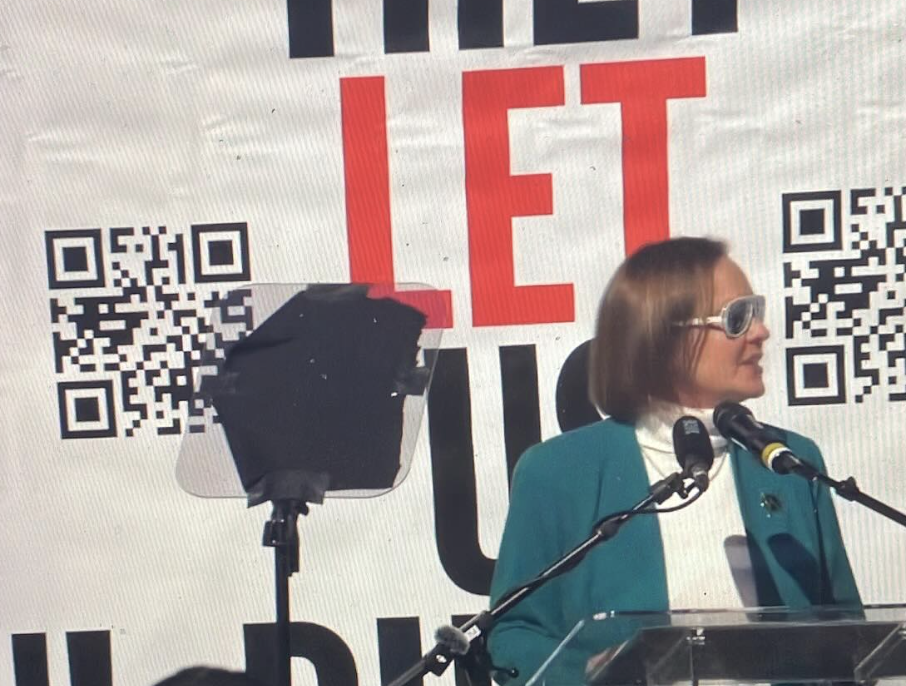
Traci Park is suddenly very concerned about street safety.
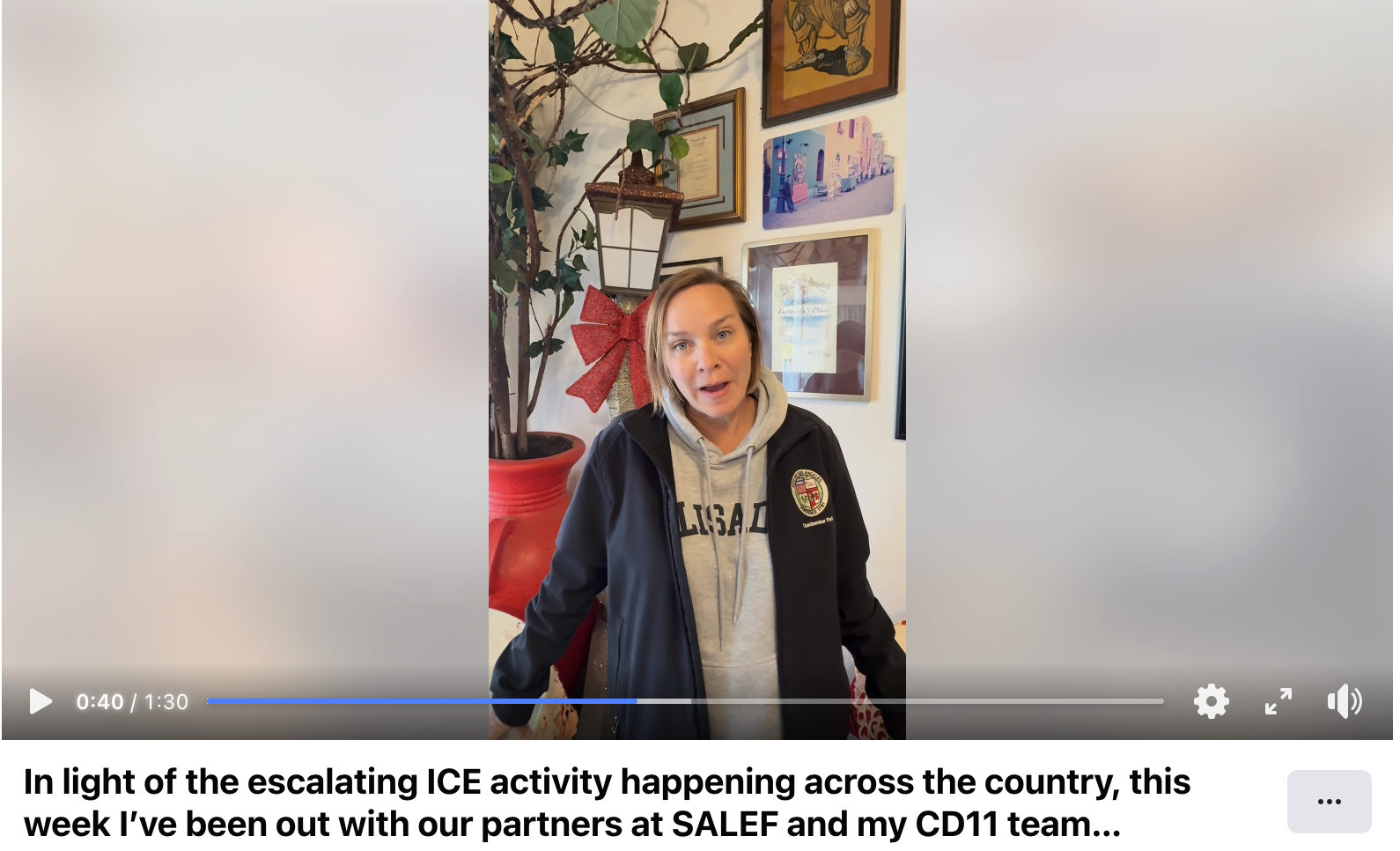
In a recent legislative update, Park told constituents that the City Council “scrapped” the speed hump program, left Council District 11 with “literally none,” and forced her to step in with district funds to protect neighborhood streets. She cast herself as the adult in the room, cleaning up a mess created by City Hall.
That story collapses under even light scrutiny.
Last spring, the City Council adopted a new citywide approach to residential speed humps after the program’s budget was slashed from about $1.9 million to just $715,000. At that funding level, LADOT concluded that the old system of evenly distributing speed humps by council district was no longer viable. With so little money left, an equal split would have delivered just one or two locations per district across the entire city. In other words, there was no scenario in which most districts were going to get “a bunch” of speed humps while CD11 got nothing. Scarcity was baked in.
Faced with those cuts, LADOT proposed a shift away from resident applications and political distribution toward a data-driven, equity-focused methodology. Under the new approach, speed humps are prioritized citywide based on safety risk, equity metrics, and proximity to schools, parks, transit, and other people-heavy destinations. The goal was not to reward districts equally, but to direct a very limited number of installations to the streets where people are most likely to be hurt or killed.
The Transportation Committee approved that change, and the City Council adopted it on April 30, with Traci Park voting no. That vote matters. Park did not simply inherit a system that failed her district. She opposed the framework designed to deal with extreme underfunding in a more equitable way.
It also matters what the new program actually delivers. Because funding is so low, LADOT did not even open the application portal in 2025. The entire city is competing over a handful of prioritized corridors, not dozens of neighborhood projects. Los Angeles now spends about 19 cents per resident on speed humps, dead last among peer cities. Boston spends more than six dollars per resident. LA installs roughly one speed hump for every 31,000 people.
This is not a story of CD11 versus the rest of the city. It is a story of a city that barely funds street safety at all.
Months later, after the new methodology did not yield speed humps for her district, Park introduced a motion to pull up to $200,000 from the Coastal Transportation Corridor Trust Fund to fund speed humps in CD11 alone. That single district allocation represents nearly 28 percent of the entire citywide residential speed hump budget. It would concentrate a huge share of the city’s limited resources in one district, even though LADOT’s own safety and equity metrics ranked higher-need corridors elsewhere.
Instead of fighting to restore the roughly $1.2 million that was cut from the program citywide, Park chose a carve-out. Instead of challenging the budget priorities that left street safety starved across LA in the first place, she reached for a restricted coastal trust fund that most districts do not have access to and moved to bypass the very system the Council adopted to manage scarcity fairly.
This approach mirrors Park’s broader politics. She is the most aggressively pro-police member of the City Council and a major beneficiary of law enforcement donations. She reliably supports expanding LAPD budgets that already consume a massive share of the city’s general fund. When money is being allocated, policing is treated as essential. Street safety infrastructure is treated as optional.
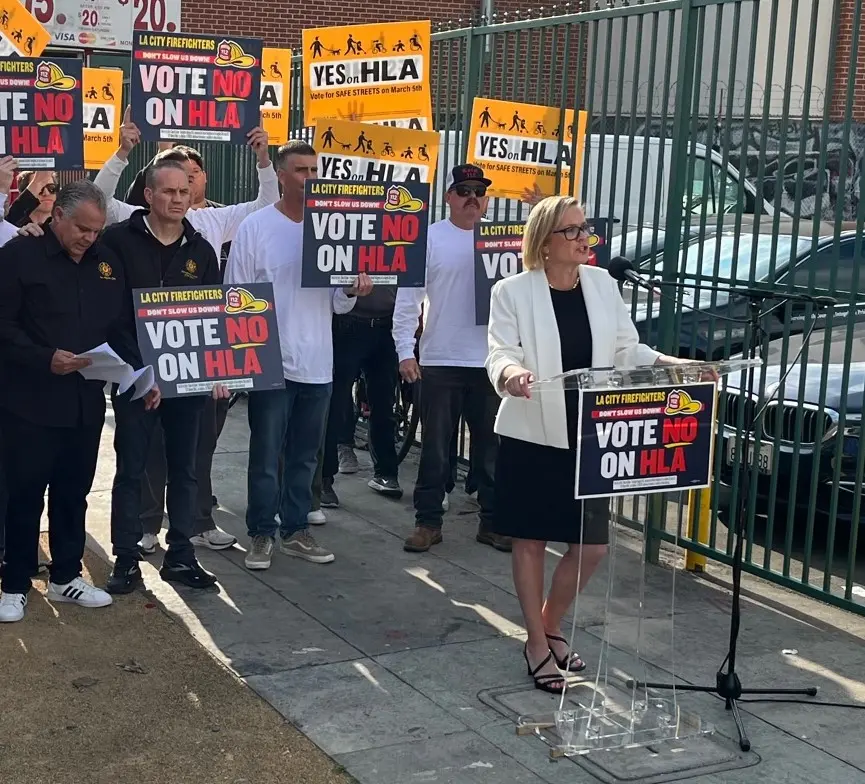
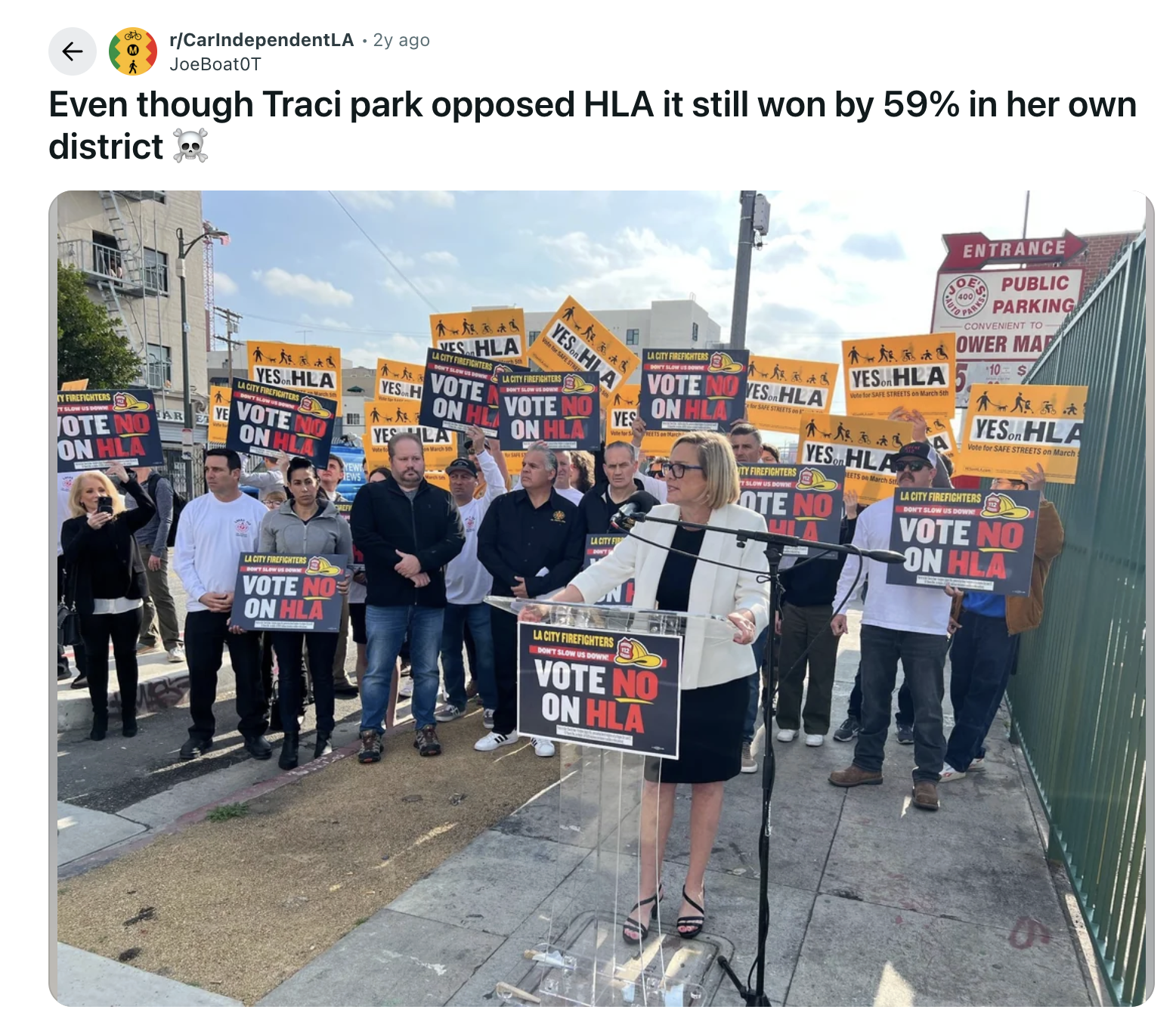
That contradiction shows up repeatedly in her record. Park was the most vocal opponent of Measure HLA, the voter-approved initiative requiring bike lanes, bus lanes, and pedestrian upgrades when streets are repaved. HLA is one of the strongest street safety measures the city has ever passed, precisely because it prevents crashes rather than reacting to them. Park fought it anyway, echoing talking points about inconvenience and access while ignoring the evidence that safer street design saves lives.
Now, when chronic underinvestment predictably leaves the speed hump program threadbare, Park blames City Hall and rewrites the story.
In her update, she points to speeding apps like Waze and urges drivers to put their phones down. Individual behavior becomes the problem. Structural solutions disappear. The idea that street design should make dangerous behavior harder, not just illegal, is absent.
Even when Park highlights legitimate infrastructure projects, the framing is telling. She touts a protected bike lane along Jefferson Boulevard, but ties it directly to the clearing of a large RV encampment, reinforcing her habit of linking public space investment to enforcement and displacement rather than to a comprehensive safety strategy.
Taken together, the pattern is clear. Park opposes equity-based, citywide safety frameworks. She opposes voter-mandated safe streets reforms. She supports budgets that prioritize policing over prevention. And when underfunded safety programs fail to deliver, she seeks district-specific carve-outs and calls it leadership.
Traci Park voted against the equity-based speed hump framework. Now she wants to bypass it. The problem is not that CD11 was singled out. The problem is that real street safety was never the priority.