When the Los Angeles City Council voted to designate Marilyn Monroe’s former Brentwood home as a Historic Cultural Monument, Councilmember Traci Park publicly broke with some of the most powerful land use interests on the Westside. The property owners and their attorneys at Glaser Weil Fink Howard Jordan & Shapiro LLP opposed the designation and later launched an aggressive legal campaign to undo it. Several figures central to that effort were also significant donors to Park’s 2022 campaign.
That vote appeared, on its face, to be a clean break. Instead, what followed raises a more uncomfortable question: after opposing her donors in a highly public preservation fight, did Park move to placate them through quieter structural changes that would strengthen their long-term influence?
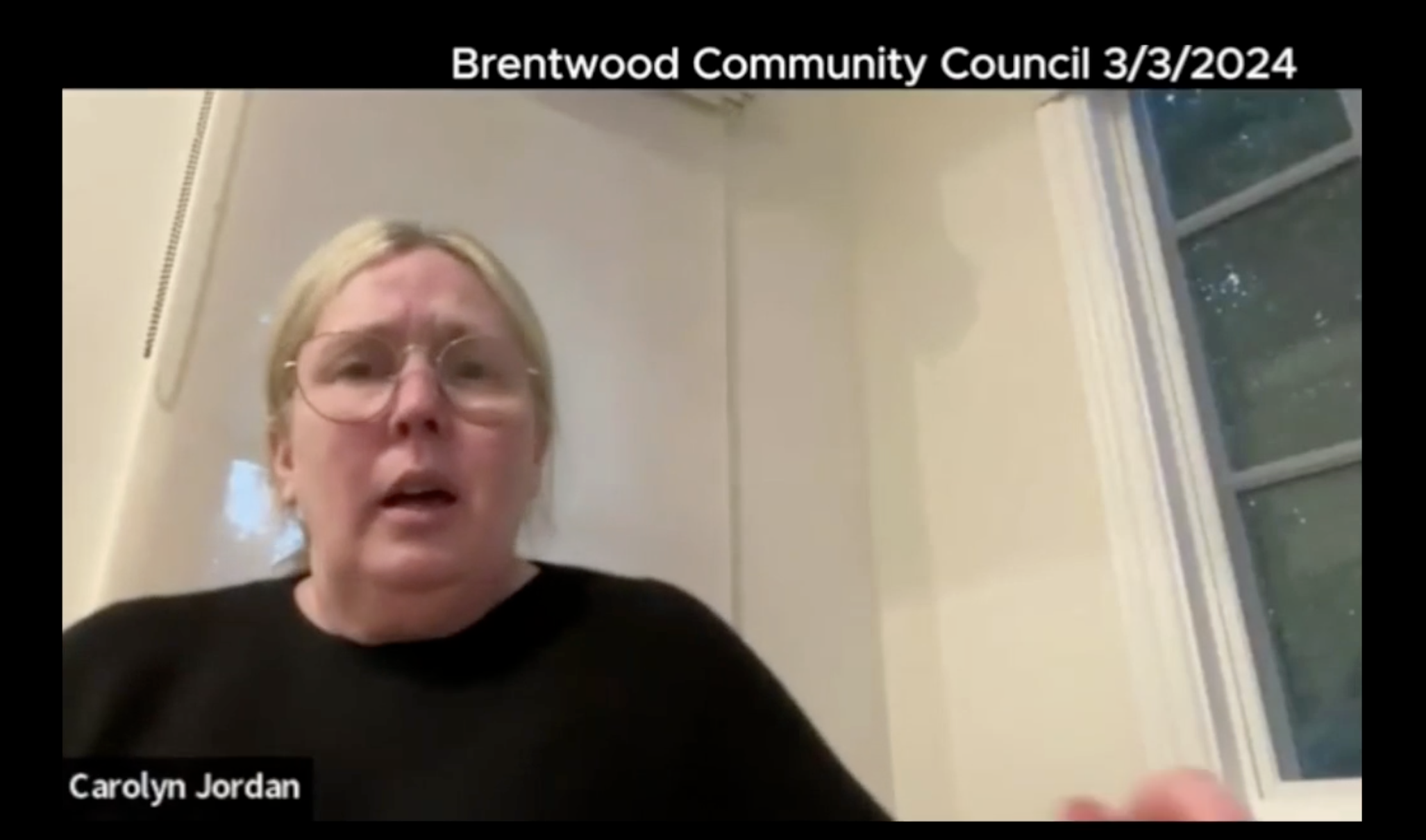
One of the most prominent figures in this network is Carolyn Jordan, a Republican and Trump donor and a partner in Glaser Weil’s real estate department, where she represents corporate landlords in large scale transactions and complex financings. Jordan and her husband Daniel donated $9,800 to Park’s campaign, and Glaser Weil contributed an additional $18,300. At the same time, Jordan serves as president of the Brentwood Community Council, a private enclave group that formally opposed the Monroe landmark designation and operates outside the transparency and accountability requirements imposed on certified Neighborhood Councils.
Not long after the Cultural Heritage Commission advanced the Monroe designation, Park introduced a motion that would have granted private community councils the same standing and privileges as certified Neighborhood Councils. The proposal would have elevated organizations like the Brentwood Community Council by giving them official access to City Hall without requiring compliance with the Brown Act, the Public Records Act, public elections, or city ethics and training rules. For critics, the beneficiaries were obvious.
That concern was echoed repeatedly in public comment and formal filings. Neighborhood Councils across Los Angeles filed Community Impact Statements opposing Park’s motion, warning that it would create a two tier system that rewarded wealth and exclusivity. In a written public comment submitted to City Council, Palms Neighborhood Council board member Steven Stanton warned that granting these privileges to private councils “offers a route to pay to play government access, irreparably harms the credibility of the Neighborhood Council system, and would imply that formal democratic participation is optional for the wealthy.”
The backlash was broad and unusually unified. Venice, Palms, Winnetka, NoHo, Encino, Tarzana, Sun Valley, and other neighborhoods all formally opposed the motion, stressing that certified Neighborhood Councils already provide a path for participation and that private groups were choosing not to follow it. The Board of Neighborhood Commissioners itself urged City Council to reject the proposal, citing the lack of transparency, public access, and accountability inherent in private councils.
Those warnings carried particular weight given the Brentwood Community Council’s history. A 2019 CityWatch investigation described the group as concentrating power in a small leadership circle, limiting dissent, and allowing land use attorneys like Carolyn Jordan to wield influence over decisions affecting their own clients. More recent reporting by Knock LA tied the council to decades long efforts to block affordable housing and preserve elite control over land use, including its involvement in the misuse of public land at the West Los Angeles VA campus. The reporting portrayed a body deeply embedded in exclusionary politics while remaining insulated from democratic oversight.
The donor ecosystem extends further. Patricia Glaser, the founding partner of Glaser Weil, is one of Los Angeles’ most notorious defenders of the rich and powerful, including Harvey Weinstein. Known for representing Hollywood moguls, corporate executives, and billionaires in high stakes disputes, Glaser has built her career shielding elite clients from accountability. Her political donations consistently flow to candidates who oppose progressive reforms, rent control, and labor protections, and she contributed $2,700 to Park’s 2022 campaign.
As Esotouric has reported, Glaser Weil attorneys pursued expansive public records demands and subpoenas during the Monroe dispute, targeting preservation advocates and journalists and recasting routine civic engagement as alleged corruption. Emails sent by residents to Park’s planning staff were later folded into litigation narratives attacking the integrity of the landmark process. Courts rejected those claims, but the episode illustrated how donor aligned institutions can continue exerting pressure long after a vote is cast.
The timing remains striking. Park’s motion to empower private community councils did not precede the Monroe controversy. It followed it, arriving as opposition from Brentwood power brokers intensified and as litigation over the designation moved forward. While the motion ultimately stalled under intense opposition, the message to critics was unmistakable.
None of this requires an explicit quid pro quo to be troubling. Politics often operates through signals and incentives rather than written agreements. When a councilmember breaks with donor interests in a visible vote, then advances structural changes that quietly benefit those same interests, the stench of political favoritism is hard to miss. The Marilyn Monroe home was preserved. What remains unresolved is whether this episode exposes a governing pattern for Traci Park, one in which visible public decisions are used to score political points while she quietly advances structural changes that consolidate power for wealthy and well connected donors.